Ghost Driver First Person Camera Troubleshooting: Guide
ghost driver first person camera troubleshooting. Check V input focus, retest the view safely, and separate confirmed controls from device-specific unknowns.
ghost driver first person camera troubleshooting is best approached through the controls and objective the developer actually publishes. V is the only camera or first-person key named on the official Roblox page. This guide turns that narrow evidence into a practical routine while keeping every unsupported value, ranking, and hidden mechanic out of the answer.
Evidence note: This is a limited-evidence page. It uses the official Roblox description and a target-game gameplay example; undocumented mechanics and changing details must be verified in the live experience.
Confirm the Official V Binding
Start with the confirmed input or task before adding player-made technique. The safest use of ghost driver first person camera troubleshooting is to return focus to the game, tap V once, observe whether the view changes, and retest away from traffic. That sequence gives you one observable result at a time, which is more useful than pressing several controls and guessing which one changed the car.
The official Roblox experience is the final place to check anything that may move or change during development. The source does not publish error messages, device-specific fixes, or a guaranteed number of camera states. Treat that boundary as useful: it tells you exactly what can be practiced now and what should remain a live-game check.
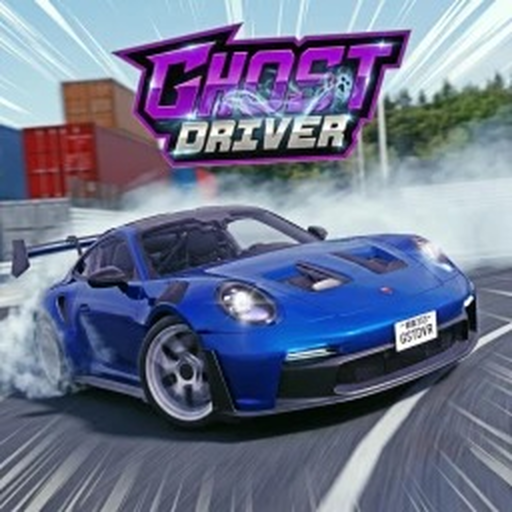
A short gameplay clip is most useful here as a visual example of the driving context, not as proof of undocumented values.
Use this short checklist before increasing speed:
- Put the game back in focus and close chat or menus.
- Test one input or decision at a time.
- Watch for a visible result before adding another action.
- Stop and simplify when the road picture becomes unclear.
Separate Input Problems From View Problems
The practical value of ghost driver first person camera troubleshooting comes from a repeatable test, not a dramatic one-off attempt. Begin in a low-pressure moment, choose a clear visual reference, make the input, and pause long enough to read the result. If the response differs, change only one variable on the next attempt.
| Input or situation | Confirmed purpose | Practical check |
|---|---|---|
| No change after V | A menu or chat may still have focus | Close overlays and test V once |
| View changes unexpectedly | Repeated taps can move through available views | Tap once and pause to observe |
| Problem persists | The current client or device may differ | Rejoin and verify the live game controls |
This table separates official information from editorial practice. The third column is a conservative checking routine, not a claim that the game enforces a hidden tutorial, fixed timing window, or universal vehicle behavior.
Retest Without Traffic Pressure
Use ghost driver first person camera troubleshooting as part of a readable driving process. Look ahead, decide what you want the car or camera to do, make one intentional input, and then evaluate the new road picture. When the result is unclear, reduce speed or input complexity rather than adding another unverified technique.
A useful practice cycle is simple: establish control, attempt the task, notice the first point where information was lost, and repeat with one smaller change. That gives you a real comparison while avoiding invented performance numbers. It also travels better across live updates because the method depends on observation, not a promised stat.
Escalate a Camera Issue Carefully
Return to ghost driver first person camera troubleshooting whenever advice from videos, comments, or another Roblox driving game conflicts with the official control list. Similar-looking games can use different physics, menus, vehicles, and progression systems, so an attractive claim is not enough evidence.
Keep these boundaries in place:
- Do not turn an observed example into a permanent rule.
- Do not publish exact speed, angle, rate, cost, or score claims without direct support.
- Do not claim a complete list when the official page supplies only a partial announcement.
- Recheck the live interface after an update changes what you see.
That approach makes ghost driver first person camera troubleshooting useful even with limited documentation: players get a clear first action, a way to test it, and an honest line between confirmed behavior and open questions.
FAQ
What does ghost driver first person camera troubleshooting confirm?
V is the only camera or first-person key named on the official Roblox page. That is the reliable core of ghost driver first person camera troubleshooting; anything beyond it should be checked live.
What should I verify in the live Ghost Driver game?
Verify the current input response, interface, vehicle behavior, and any changing labels inside the official Roblox experience. The source does not publish error messages, device-specific fixes, or a guaranteed number of camera states.
Does this guide include hidden stats or guaranteed results?
No. The source does not publish error messages, device-specific fixes, or a guaranteed number of camera states. The page provides a conservative practice method, not a guarantee.